.svg)
.svg)
.svg)
.svg)
.svg)
.svg)
.svg)
.svg)
.svg)


.svg)
.svg)
.svg)
.svg)
.svg)
.svg)
.svg)
.svg)

.svg)
.svg)
.svg)

.svg)

.svg)
.svg)
.svg)
.svg)
.svg)


.svg)
.svg)
.svg)
.svg)
.svg)
.svg)
.svg)





.svg)




%20(1).png)

It’s the night before your church fundraiser. The RSVP spreadsheet is missing names, the volunteer group chat won’t stop pinging, and you’re still not entirely sure whether the ticket payment link works.
If this sounds familiar, take a breath. Most church event planners are organizing everything on top of their regular responsibilities, often without dedicated staff or formal event planning experience. That’s a lot of plates to keep spinning.
With a clear plan and the right tools, you can run a church fundraising event that feels organized, brings your community together, and raises meaningful support for your mission. This church event planning guide walks you through seven practical steps, plus a free downloadable checklist to keep every detail on track.
Key takeaways
- Start with a SMART goal 🎯 Set a fundraising goal that’s specific, measurable, achievable, relevant, and time-bound.
- Work backward to build your budget 💸 Aim to keep total expenses below 30% of projected revenue, with 25% or less as an even stronger target.
- Give yourself enough time ⏰ Set aside at least six months for larger galas, three to six months for mid-size events, and six to eight weeks for smaller community events.
- Promote your event 📣 Start spreading the word at least eight weeks before event day through church announcements, social media, bulletin boards, newsletters, and texts.
- Don’t skip follow-up 🫶 Your event’s value goes beyond the money raised. Thank attendees, share the impact, and offer meaningful ways to stay involved.
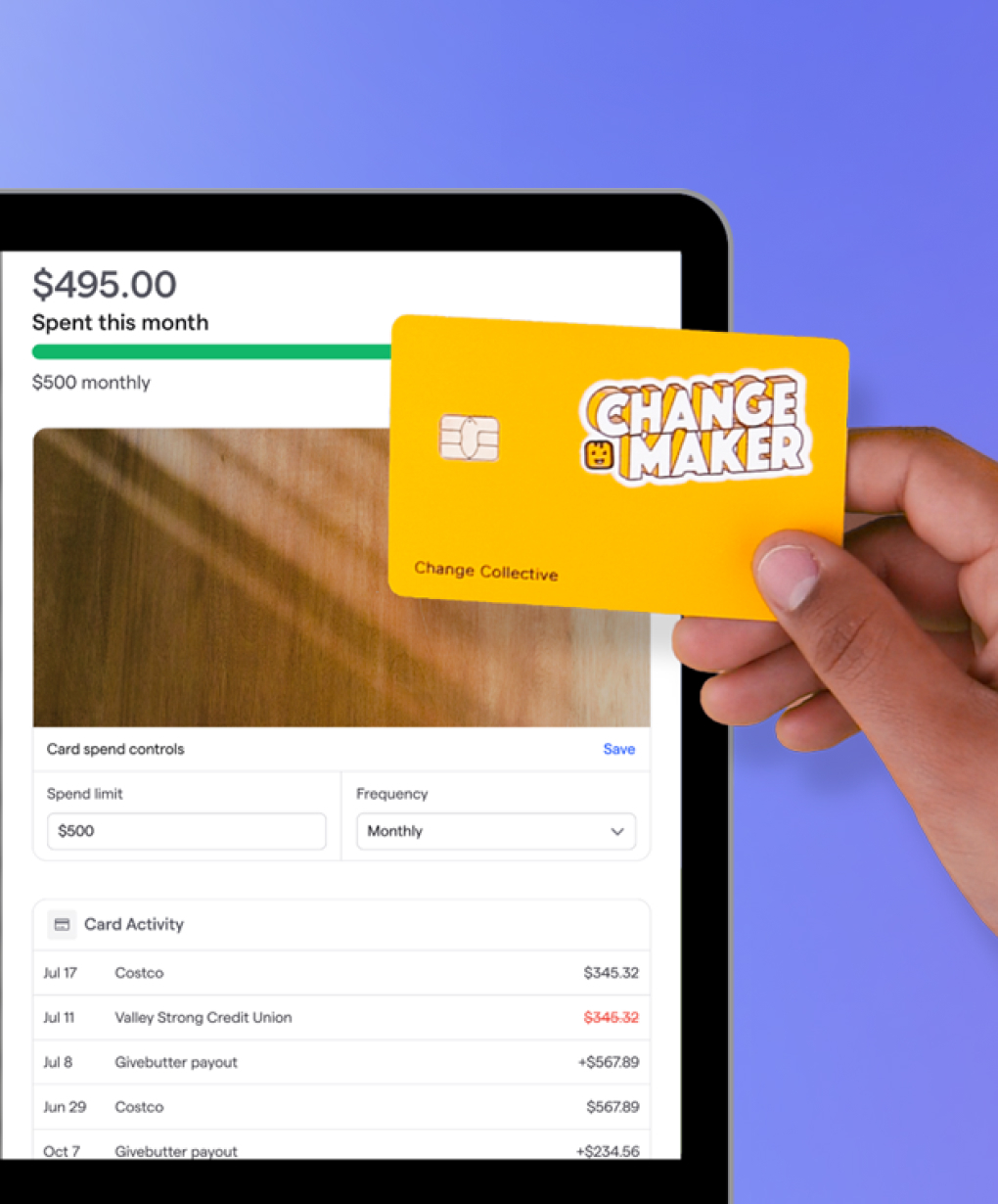
- Use the right tools 🧈 With Givebutter, you can sell event tickets, collect donations, host silent auctions and paddle raises, and keep supporter information organized for follow-up.
How to plan a church fundraising event in 7 steps
Use these seven church event planning steps to move from your first idea to the final thank-you without losing track of your budget, volunteers, or supporters along the way.
Step 1: Set your goal & choose your format 🎯
Start by setting a SMART fundraising goal that’s specific, measurable, achievable, relevant, and time-bound. Connect that goal to a clear church need, such as launching a new ministry, funding a building project, or supporting a mission trip.
Next, choose an event format that fits your goal, congregation, budget, and team capacity:
- Gala or banquet: Offers strong fundraising potential but requires more time, volunteers, and upfront spending.
- Community festival or fair: Welcomes families and community members with accessible ticket prices and activities.
- Mission trip fundraiser: Lets participants raise money from their individual networks through peer-to-peer fundraising.
- Building fund event: Introduces a longer-term campaign and gives supporters a tangible vision to rally around.
Here’s how much planning time to allow based on your event size:
Download the free church event planning checklist for a week-by-week roadmap.
Step 2: Build your event budget 💰
In a Givebutter poll of 102 nonprofit professionals, 90% said they always calculate net revenue after hosting a fundraising event. Don’t wait until the tables are folded to find out what your event actually earned. Estimate your net revenue before you commit to major expenses:
Projected event revenue − projected event expenses = projected net revenue
As a starting benchmark, aim to keep expenses at 25% to 30% or less of your projected gross revenue. Include these common church event costs:
- Venue ⛪ Ask whether your church building or a congregant-owned space could reduce or eliminate this expense.
- Catering 😋 Account for meals, drinks, snacks, service fees, and gratuities.
- Technology 🤖 Include microphones, speakers, screens, lighting, and other rented equipment.
- Event insurance 🛡️ Confirm coverage requirements with your venue and insurance provider, especially for off-site events or higher-risk activities.
- Entertainment 💃 Budget for performers, emcees, and any required equipment.
- Marketing 📧 Include printed flyers, signage, social media ads, email, and direct mail.
- Fundraising tools 🔧 Account for ticketing, donation processing, auction, and event management costs.
💡 Pro tip: If expenses start climbing, look for donated goods, services, or sponsorships before cutting anything that directly supports attendance or fundraising. Elaborate decorations are easier to trim than a reliable sound system for your live ask.

Step 3: Set up your Givebutter event campaign 🧈
Choose church software that can keep ticket sales, donations, and attendee management together. With Givebutter, you can customize an event page with your church’s colors, images, and story, then configure:
- General admission, early-bird, VIP, or table tickets
- Ticket quantities and total event capacity
- An optional donation in addition to the ticket price
- One-time and recurring giving
- Credit and debit cards, PayPal, Venmo, Apple Pay, Google Pay, Cash App Pay, and ACH
Supporter and transaction data stays connected to your donor management CRM, while ticket and attendee details remain organized for event-day coordination.
💡 Pro tip: Add peer-to-peer fundraising for mission trips, walkathons, and other team events. Each participant gets a fundraising page to share with their network, while leaderboards and a fundraising thermometer encourage friendly competition.

Step 4: Build & brief your volunteer team 🙌
Assign every responsibility to a specific person instead of sending one long list to the volunteer group chat. Depending on your event, you may need:
- A registration and check-in lead
- A setup and breakdown crew
- Table hosts or guest greeters
- An auction or paddle raise team
- A donation and payment lead
- A volunteer assigned to troubleshoot day-of surprises
Give volunteers written instructions, arrival times, and one point of contact well before event day.
💡 Pro tip: Give yourself several weeks to build your volunteer team. Recruit a few extra volunteers and identify backups for essential roles in case anyone drops out.
Step 5: Promote your church event 📣
Give your congregation several chances to hear about the event and take action. A six-week promotional timeline might look like this:
- Six weeks before: Announce the event through email, social media, the church bulletin, and Sunday announcements.
- Four weeks before: Open ticket sales and begin sharing weekly reminders.
- Two weeks before: Ask your pastor or church leadership to make a personal invitation and share an accurate ticket update.
- One week before: Send a final ticket reminder, followed by important event details for registered guests.
- Event day: Text attendees a short reminder with the time, location, parking information, and ticket link.
Keep the message consistent across every channel so people immediately understand why the event matters and how to participate.
Step 6: Run your fundraising event 🎤
Create a detailed event schedule covering check-in, meals, entertainment, speakers, fundraising moments, and closing remarks. Share it with your team and hold a rehearsal a few days beforehand so everyone knows what happens next.
Use these tactics to keep giving simple throughout the event:
- Check-in and door sales: Use the Givebutter mobile app to check in guests, scan tickets, sell tickets at the door, and accept card payments.
- Live ask or paddle raise: Choose one person to make the ask, explain the need clearly, and offer three suggested giving levels.
- Silent auction: Set a firm closing time, announce it more than once, and keep bidding and checkout in one place with auction software.
- Text-to-donate: Display your text-to-donate keyword on screens and table cards, and mention it from the stage.
💡 Pro tip: Showcase your progress with a live display. Watching the fundraising thermometer rise in real time gives the room a shared goal to rally around.
Step 7: Follow up after the event ✅
Your work isn’t over when the last guest goes home. Thoughtful donor stewardship can turn one church community event into the beginning of a lasting relationship.
Follow this post-event timeline:
- Within 24 hours: Thank donors, attendees, and volunteers.
- Within 48 hours: Share photos, fundraising results, and highlights through email and social media.
- Within one week: Calculate net revenue and report the results to church leadership.
- Within one month: Reconnect with first-time supporters and offer a relevant next step, such as volunteering, attending another event, or setting up a recurring gift.
💡 Pro tip: Don’t limit appreciation to attendees. Recognize volunteers publicly during the event, then follow up with a personal thank-you that names the contribution they made.
Download your free church event planning template & checklist
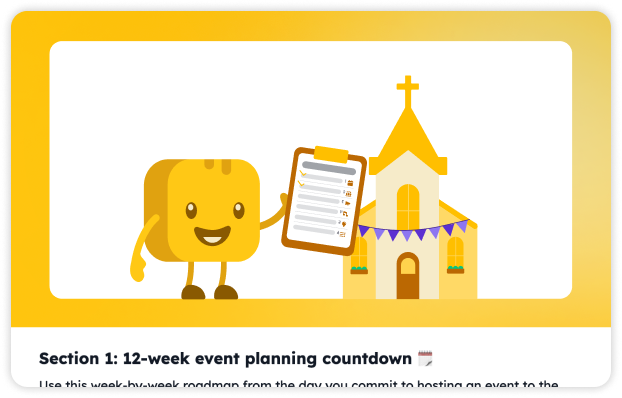
Church leaders and volunteers already have plenty on their plates. That’s why we created a free church event planning template with a 12-week countdown, event budget planner, volunteer role sheet, and printable day-of checklist. Use it to assign responsibilities, track projected and actual costs, and keep every moving part on schedule.
Plan your next church event with Givebutter
By event day, your RSVP list is organized, every volunteer knows their role, and your ticketing and donation tools are ready to go. That sense of calm comes from a clear plan, connected tools, and a team working from the same playbook.
Givebutter brings customizable event pages, event ticketing, donation collection, guest check-in, communication tools, and donor management together in one place. Instead of chasing RSVPs, payments, and supporter details across different platforms, you can focus on welcoming your community and moving your church’s mission forward.

Run your church event in one place
Sign up for your free Givebutter account and start planning your next church event today.
FAQs about church event planning
How do you plan a successful church event?
Start with your fundraising goal, then set your budget. Aim to keep total event expenses at 25% to 30% or less of your projected gross revenue. Next, choose an event format that fits your budget, congregation size, and team capacity.
Sell tickets and promote your event through church announcements, social media, your bulletin board, email, and text. After the event, follow up with gratitude and share the impact your community helped create.
How far in advance should you start planning a church fundraiser?
For a smaller event with 50 people or fewer, start planning six to eight weeks in advance. Give yourself three to six months for a mid-size event and at least six months for a large gala or event with more than 100 attendees. When in doubt, start earlier than you think.
Do you need event insurance for a church fundraiser?
You may need additional event insurance if you’re hosting an off-site or large-scale fundraiser or planning higher-risk activities like inflatables. Requirements vary by venue, location, and activity, so confirm what coverage you need early with your venue and insurance provider.
Share this article






.svg)
.svg)