









Your gala is over, the first-time donors have been thanked, and the next event is months away. What keeps those supporters connected in between?
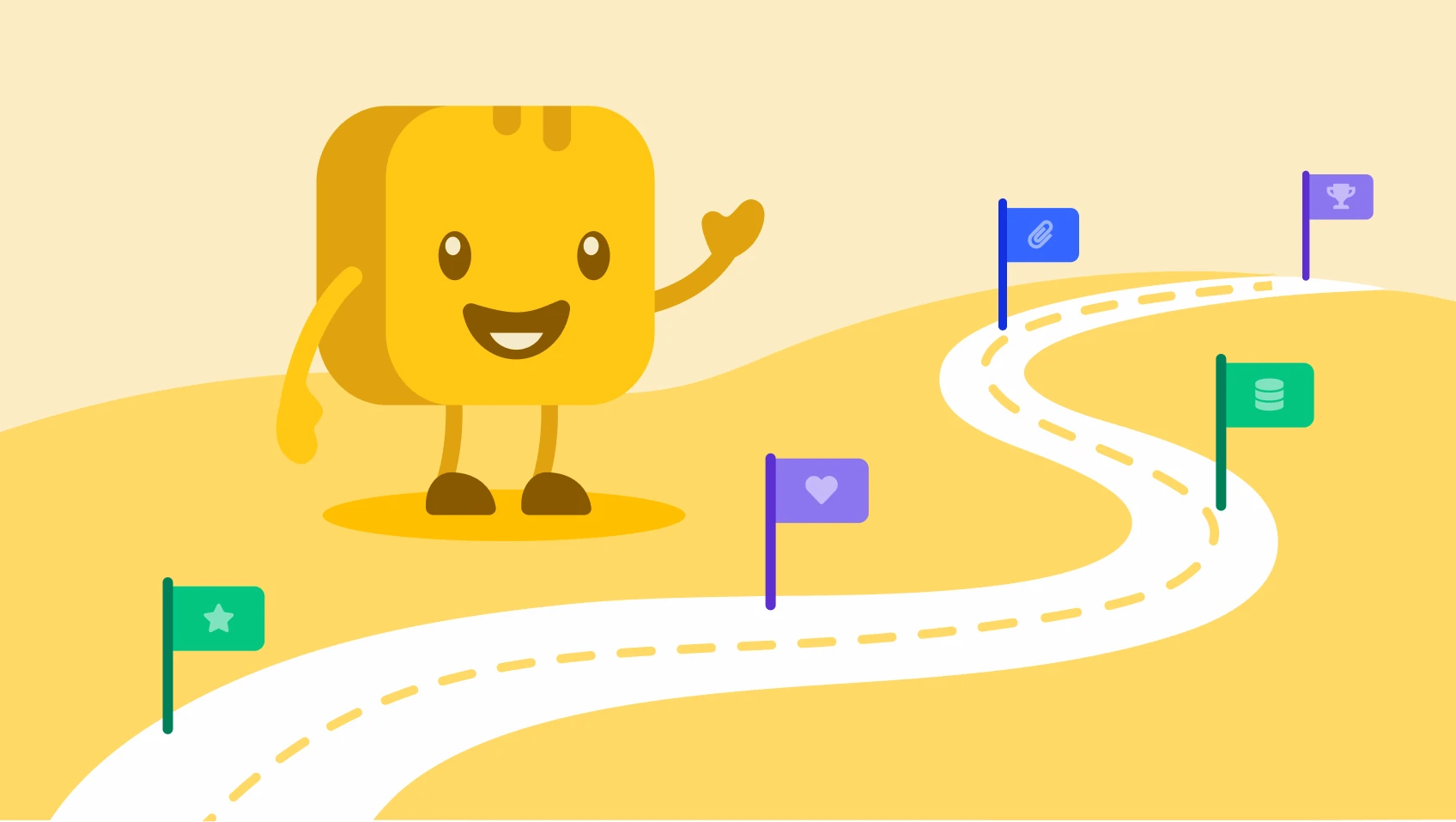
A donor journey map helps your team plan useful touchpoints from a supporter’s first interaction through giving, retention, and advocacy. We’ll walk through the five stages, show you how to map communications for each one, and share a free template you can adapt for your nonprofit.
What is a donor journey map?
A donor journey map helps nonprofits visualize the donor experience, from initial awareness to ongoing giving and advocacy.
It’s different from, but complementary to, the donor lifecycle, which outlines the relationship stages between a donor and a nonprofit. A donor journey map is a strategic, actionable framework for designing donor communications that keep supporters engaged over time.

The 5 stages of a donor journey
The donor journey consists of five stages. Here’s what your nonprofit should aim for at each stage, along with effective touchpoints to deepen engagement and keep donors invested.
| Stage | Supporter experience | Nonprofit focus |
|---|---|---|
| Awareness | Learns about your mission | Build visibility through social media, your website, events, and peer-to-peer campaigns. |
| Consideration | Explores your mission and impact | Share clear information, impact stories, and easy ways to learn more. |
| Decision (first gift) | Makes a first donation, buys a ticket, or gives through a peer-to-peer campaign | Make giving easy and thank them promptly. |
| Retention | Stays connected and may give again, attend events, or volunteer | Share impact updates and personalized ways to stay involved. |
| Advocacy | Shares your mission with others | Offer ways to fundraise, volunteer, and invite others to join. |
1. Awareness 💡
This is when potential donors learn about your organization, whether through social media, word of mouth, or an event they attended as a plus-one.
The goal is to stay visible. Share your mission beyond your existing network and give potential supporters multiple ways to discover your organization, both in person and along the digital donor journey.
👋 Touchpoints: Social media campaigns, nonprofit website, peer-to-peer fundraising campaigns, fundraising campaign pages
🎬 See it in action: Create an informational table with a newsletter signup sheet at your event, host an event with a bring-a-friend initiative, or launch a mission-awareness social media campaign.
2. Consideration 🤔
At the consideration stage, potential donors research your organization to decide if it aligns with their values and priorities.
Share clear mission statements, impact reports, social media spotlights, and an easily accessible fundraising page.
Consideration phases can sometimes go unnoticed because potential donors won’t appear in your CRM or inbox. Schedule consideration-phase touchpoints after a large event, a peer-to-peer fundraiser, or a social media challenge, when potential new donors are likely to make first contact.
👋 Touchpoints: Newsletters, social media profiles, direct mail, nonprofit website, fundraising page
💡 Pro tip: Make giving frictionless for new donors by using a trusted fundraising platform like Givebutter with multiple payment methods.
3. Decision (first gift) 💰
Also known as donor acquisition, this is when a donor gives to your nonprofit for the first time, such as through a small online donation, an event ticket purchase, or a peer-to-peer fundraiser.
Keep first-time donors invested with warm, immediate acknowledgment that makes donors feel valued.
👋 Touchpoints: Email, direct mail, appreciation phone calls, impact reporting
💡 Pro tip: With Givebutter, every donor automatically receives an instant thank-you and IRS-ready donation receipt. Make it memorable by customizing your thank-you email with specific impact and thoughtful appreciation.
4. Retention 🤗
With the right touchpoints, relationships deepen over time, and one-time givers may become recurring donors, event attendees, or volunteers. Drive home the importance of donor support with mission storytelling, personalized outreach, and regular impact updates.
👋 Touchpoints: Impact reporting, volunteer opportunities, social media spotlights, phone calls, direct mail.
💡 Pro tip: With Givebutter’s donor portal, supporters can view their giving history, manage recurring donations, and update event tickets and guest details, reducing admin work for your team. Givebutter Plus also lets your team send video messages to donors from their contact profiles for a more personal thank-you or follow-up.
5. Advocacy 💛
Donors in the advocacy stage become champions for your cause. They show up regularly for fundraising campaigns and share your mission with friends and family.
Give them the resources and support they need to amplify your mission, including opportunities to get involved and informational materials they can share with their networks.
👋 Touchpoints: Membership programs, peer-to-peer fundraising campaigns, professional development, and volunteering opportunities
💡 Pro tip: Use Givebutter’s smart filters to find and save a segment of supporters you want to invite to share your campaign or fundraise on your behalf.
How to build a donor journey map for your nonprofit
Approach donor journey mapping as a strategic workflow that you can build, repeat, and refine.
From defining and tracking your donor map metrics to automating tasks, here are six steps for building an effective donor journey map.
Step 1: Define your donor segments 💛
Your supporters may be at different stages in the donor journey. Building donor segments helps you group them so you can route communications more effectively.
Choose two or three donor segments that are tied to your nonprofit’s specific goals, whether that’s improving retention, acquiring new supporters, or boosting recurring donations.
Here are some of the most common segments:
- First-time donors
- Recurring givers
- Event-acquired supporters
- Lapsed donors
- Peer-to-peer supporters
- Major donors
- Mid-level givers
🎬 See it in action: A nonprofit sets a goal to increase donor retention. They build CRM segments for event-acquired donors, peer-to-peer supporters, and first-time donors.
Step 2: Map the metrics & touchpoints for each stage 🫶
Decide which touchpoints you’ll use to deepen engagement at each of the five stages, along with the metrics you’ll use to measure success.
Create a donor persona for each stage, considering what each donor thinks and feels. The more personalized the donor journey, the more likely your communications are to resonate.
Step 3: Identify gaps in your data 📈
Identifying where supporters are in the donor journey may require additional data, such as email opens, event attendance, and giving frequency.
Givebutter’s contact profiles bring a supporter’s giving summary, active recurring gifts, upcoming event tickets, communication preferences, notes, and recent activity into one place. Your team can also assign a contact owner and filter the activity feed to find context before following up.
Step 4: Assign ownership 🤝
Turn your donor journey map into actionable next steps by assigning clear ownership for each touchpoint in your multi-channel donor journey, such as phone calls, emails, direct mail, and social media campaigns. Make sure everyone is trained on how to log communications in your CRM so you can track donor progress.
🎬 See it in action: A nonprofit assigns stewardship phone calls to the director of development, email sequences to the communications coordinator, and social media campaigns to a marketer.
Step 5: Build the journey into your CRM 🗺️
A map on paper or in a spreadsheet is a great starting point, but it works best when it’s built into your CRM.
An all-in-one CRM, fundraising, and event management platform like Givebutter can centralize your donor data, while Givebutter Plus can automate email sequences like a donor welcome, appreciation, or re-engagement.
💡 Pro tip: Keep things personal. Over-automation can feel impersonal, so tailor your messaging to different donor segments.
Step 6: Monitor, rinse, & repeat 🧽
Track your engagement metrics over time and schedule a quarterly review of your strategy’s performance.
If you’re meeting your goals, consider adding new donor-journey touchpoints. If you’re not seeing the progress you hoped for, try adapting your existing ones. Don’t be afraid to ask your support base for feedback on what’s working and where you could improve.
🎬 See it in action: A nonprofit focusing on donor retention sees a small improvement. They update their retention cadence (monthly impact reporting and annual event invite) to include a quarterly personal stewardship phone call.
Download your free donor journey map template
Start building your nonprofit’s donor journey map in minutes with this free template.
Follow the link below and tailor it to your nonprofit’s goals, metrics, and communication touchpoints.
Put your donor journey map into practice
Start with one donor segment, map its touchpoints across all five stages, and assign an owner to each follow-up. Review what’s working each quarter, then expand the map as you learn more about what keeps supporters engaged.
Your map isn’t a script every supporter has to follow. Use it to understand where people are in their relationship with your organization and plan follow-up that feels relevant to them.

Explore Givebutter’s donor CRM
Sign up for your free Givebutter account and build a donor journey map based on real nonprofit data.
Donor journey map FAQs
What tools help map the donor journey?
Use these two tools to help map the nonprofit donor journey:
- Givebutter’s contact profiles show a supporter’s giving history and recent activity, and your team can assign an owner for follow-up.
- Smart filters help you group contacts and save segments for targeted outreach.
What’s the difference between a donor journey map & a donor lifecycle?
A donor lifecycle outlines the phases of a relationship between a donor and a nonprofit. A donor journey map makes the donor lifecycle actionable by documenting touchpoints and communication channels nonprofits use to deepen donor relationships at each stage.
The phases of the donor lifecycle are acquisition, retention, and upgrade. The stages of the donor journey map are awareness, consideration, decision, retention, and advocacy.
Share this article