.svg)
.svg)
.svg)
.svg)
.svg)
.svg)
.svg)
.svg)
.svg)


.svg)
.svg)
.svg)
.svg)
.svg)
.svg)
.svg)
.svg)

.svg)
.svg)
.svg)

.svg)

.svg)
.svg)
.svg)
.svg)
.svg)


.svg)
.svg)
.svg)
.svg)
.svg)
.svg)
.svg)





.svg)




%20(1).png)

You raise your hand to help with the fall carnival. Next thing you know, you're 47 browser tabs deep, your group chat won't stop buzzing, and it's 11 p.m. on a Tuesday.
Sound familiar? School events—whether it's a fundraising gala, fun run, cultural night, or book fair—take real coordination. And when they're done well, the payoff is worth it: stronger turnout, better fundraising results, and volunteers who come back next year.
This guide walks through 8 steps to take you from kickoff to post-event wrap-up. Grab the free school event planning checklist at the end to keep your whole team on track.
Key takeaways
- Start early 📅 Larger school events need 3–6 months of runway; small ones benefit from at least 6–8 weeks.
- Define the purpose first 🎯 Whether you’re fundraising or community-building, the "why" shapes every downstream decision of school event planning.
- Build a dedicated team 🙋 Split into committees (logistics, marketing, volunteers, day-of) to prevent one person from carrying all the responsibility.
- Pick your tools on day one 🛠️ Use an all-in-one platform like Givebutter for tickets, donations, and check-in so you're not juggling five tools.
- Promote early and often 📢 Start at least 6 weeks out and use multiple channels (email, text, social, classroom).
- Run the day with a play-by-play 📋 A minute-by-minute script keeps volunteers aligned and prevents issues from snowballing.
- Debrief after every event 📝 Capture what worked for next year's PTO board (they'll thank you!).
8 steps to plan your next school event
School event planning doesn't have to feel chaotic. These eight steps work for everything from small book fairs to large fundraising galas.
Download the free checklist at the end to use as a companion as you work through each step!
1. Define the event's purpose & goals 🎯
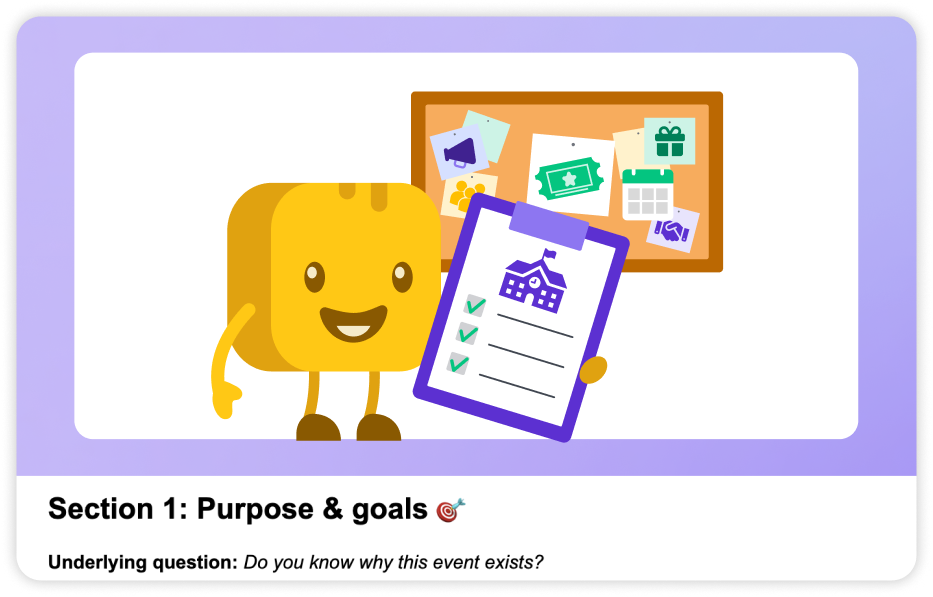
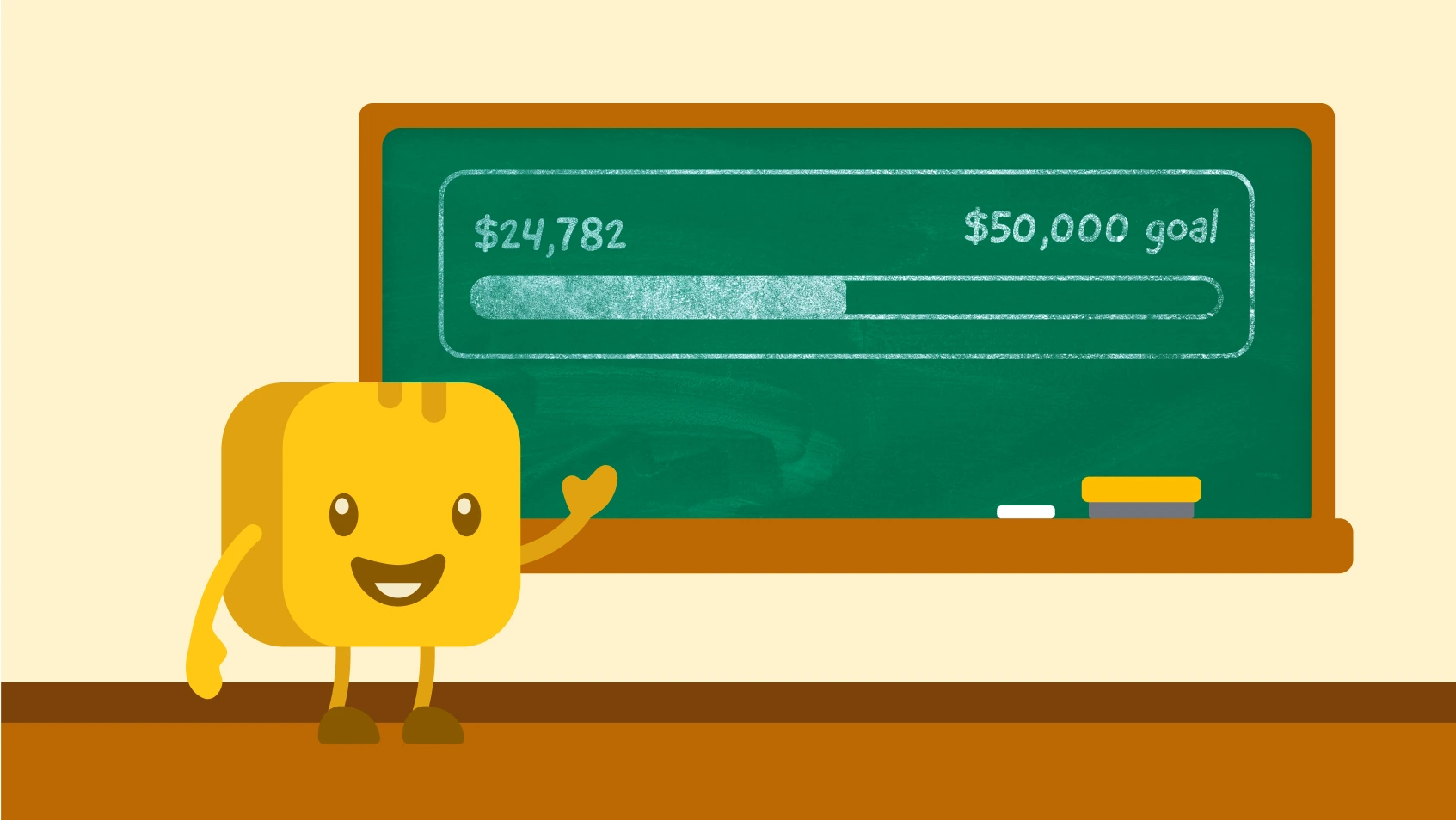
Knowing your purpose and goals will shape every decision you make, including your budget, venue, timeline, and marketing strategy. Start by defining your “why,” then use it to set 1–2 SMART goals.
⭐️ Example: We want to raise $15K to support purchasing back-to-school supplies and get 300 families in the door for our Parents' Night Out gala.

2. Build your planning team & timeline 👥
Next, recruit your planning team and build your timeline. To do that:
- Define roles: Determine what help you need, such as logistics, marketing, volunteer management, sponsorships, and day-of coordination.
- Get in touch: Send a simple Google Form or email to ask parents or volunteers about their availability, skills, and commitment level before assigning roles. This avoids recruiting the same five parents repeatedly.
- Consider dates: Build your planning timeline from the event date and work backward. For big events (like a gala), you’ll want to start 3–6 months in advance, while smaller events (like a read-a-thon) can be planned in 6–8 weeks.
3. Set the budget & secure sponsors 💰
When it comes to event planning, budget is everything. To determine yours, be sure to:
- Determine rough expected revenue and expenses: Estimate expected revenue (ticket sales, donations, sponsorships) and expenses (venue, food, decor, entertainment, marketing).
- Ask sponsors for in-kind donations: Use a school donation letter to reach out to sponsors in advance for food, prizes, or even printing help, in addition to monetary donations, to help offset event costs.
- Consider matching gifts: Some families in your school community may work for companies that offer matching gifts. Check whether those programs could help increase your event’s fundraising impact.
4. Pick your venue, date, & logistics 📍
Now it’s time to lock in the logistics. Where will your event be held, and when?
- Check the school calendar: Avoid holidays and sports tournaments, or any activity that might prevent your audience from attending.
- Consider your options: Depending on your constraints, you might opt for something on campus (gym, cafeteria, field) or off campus (a local restaurant).
- Book vendors in advance: Secure catering, entertainment, and any rental equipment early to avoid a last-minute rush.
💡 Pro tip: Get your principal or school board’s approval before announcing your event so your team isn’t stuck sending a corrected invite.

5. Set up tickets, registration, & donations online 💻
Planning a school event often means juggling registrations, ticket sales, donations, and attendee communications across multiple platforms. In fact, in a Givebutter poll of 40 nonprofit professionals, about half used an average of 3–4 tools, and 15% used 5 or more.
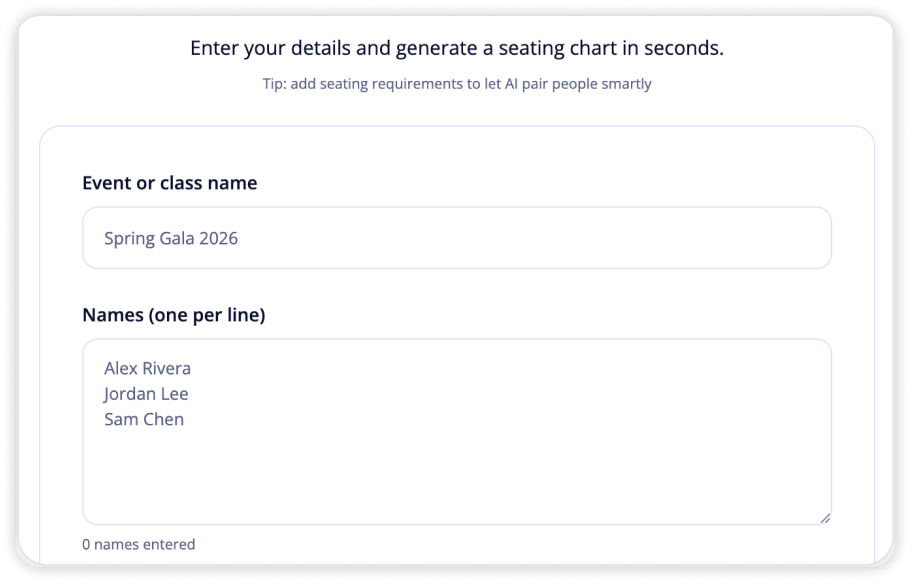
To avoid the stress of juggling multiple platforms, use Givebutter's free event tools to sell tickets, collect donations day of via text-to-donate, manage RSVPs, and track supporters all in one place.
6. Promote the event 📢
It’s time to spread the word! To ensure your event draws a large crowd, you’ll want to:
- Start early: Begin promoting at least 6 weeks before your event so people can mark their calendars.
- Go multichannel: Include your event promotions in school newsletters, on social media, through mass text, on physical flyers, and through word of mouth at drop-off and pickup.
- Tailor your messaging to families: Answer common questions about cost, timing, activities, and the event’s purpose. The more clearly people understand what to expect, the more likely they are to attend.
7. Run your event 🎉
Once the event begins, your focus shifts to keeping it running smoothly. A few simple systems can help everything stay on track:
- Follow a day-of run sheet: This includes a minute-by-minute schedule, volunteer assignments, tech checklist, and backup plans.
- Use a mobile check-in app: Streamline check-in with Givebutter's free event check-in app, available on any phone.
- Make it easy to donate: Set up donation stations with QR codes and text-to-donate signage so supporters can easily give throughout the event.
8. Wrap up and debrief for next year 📝
The most successful school organizations know the work doesn’t end when the event does. Follow up while the event is still fresh by:
- Sending thank-yous within 48 hours: Reach out to donors, sponsors, volunteers, and attendees within two days of your event to share gratitude, highlights, and photos.
- Reconciling revenue and expenses: In a Givebutter poll of 89 nonprofit professionals, about 90% of leaders always calculate net revenue (revenue minus expenses) after a fundraising event.
- Writing down "next year" notes: To avoid reinventing the wheel for every new event, hold a debrief meeting to discuss what worked, what didn't, and what to repeat.
- Creating a living playbook: Save all promotional materials, budget templates, and run sheets in a shared drive folder labeled by year for future use.
Download the free school event planning checklist
Download our school event planning checklist to help your team stay on track with all the tasks outlined above.
With a timeline countdown, volunteer roles, a budget tracker, a day-of run sheet, and a post-event wrap-up, this free checklist helps ensure your event runs smoothly and that no detail is overlooked.
Pull off your next school event with Givebutter
You don't have to figure this out across 47 browser tabs. With a repeatable process and the right tools, school event planning gets a lot more manageable—and a lot more fun.
Givebutter's free all-in-one platform handles ticket sales, donations, event check-in, and donor data in one place, so your team can spend less time on logistics and more time celebrating your students and community.

Run your best school event yet with Givebutter
Sign up for Givebutter for free and set up your next school event in minutes.
FAQs about school event planning
How far in advance should you plan a school event?
Most organizers underestimate this. For big events (galas, auctions, fun runs), plan at least 3-6 months in advance. For smaller events (movie nights, book fairs, meetings), start 6-8 weeks out. The earlier you start, the more runway you have for sponsorships, promotion, and volunteer recruitment. Three things that fall apart when you're scrambling at the last minute.
What tools do I need to plan a school event?
At minimum, you'll need school event planning or school fundraising software that supports ticketing, RSVPs, donations, volunteer coordination, communications, and event check-in. Givebutter offers all of those tools in one place, for free.
How do you get more parents to volunteer at school events?
Make the ask specific ("Can you staff check-in 5-6 pm?" beats "Can you help?"), survey parents early for availability, and split responsibility evenly so the same five people aren't doing everything.
Then, thank volunteers within 48 hours of the event. It's a small gesture that goes a long way toward getting people to say yes next time.
What's the best way to sell tickets for a school event?
Use an event ticketing platform that tracks RSVPs, syncs to a nonprofit CRM, accepts online ticket purchases and donations, and offers multiple payment options, including Apple Pay, Google Pay, and text-to-donate.
Keeping everything in one place makes registration easier for attendees and simplifies management for your team. Givebutter's event ticketing is free to use, so platform fees don't eat into your fundraising goal.
Share this article








.svg)
.svg)