





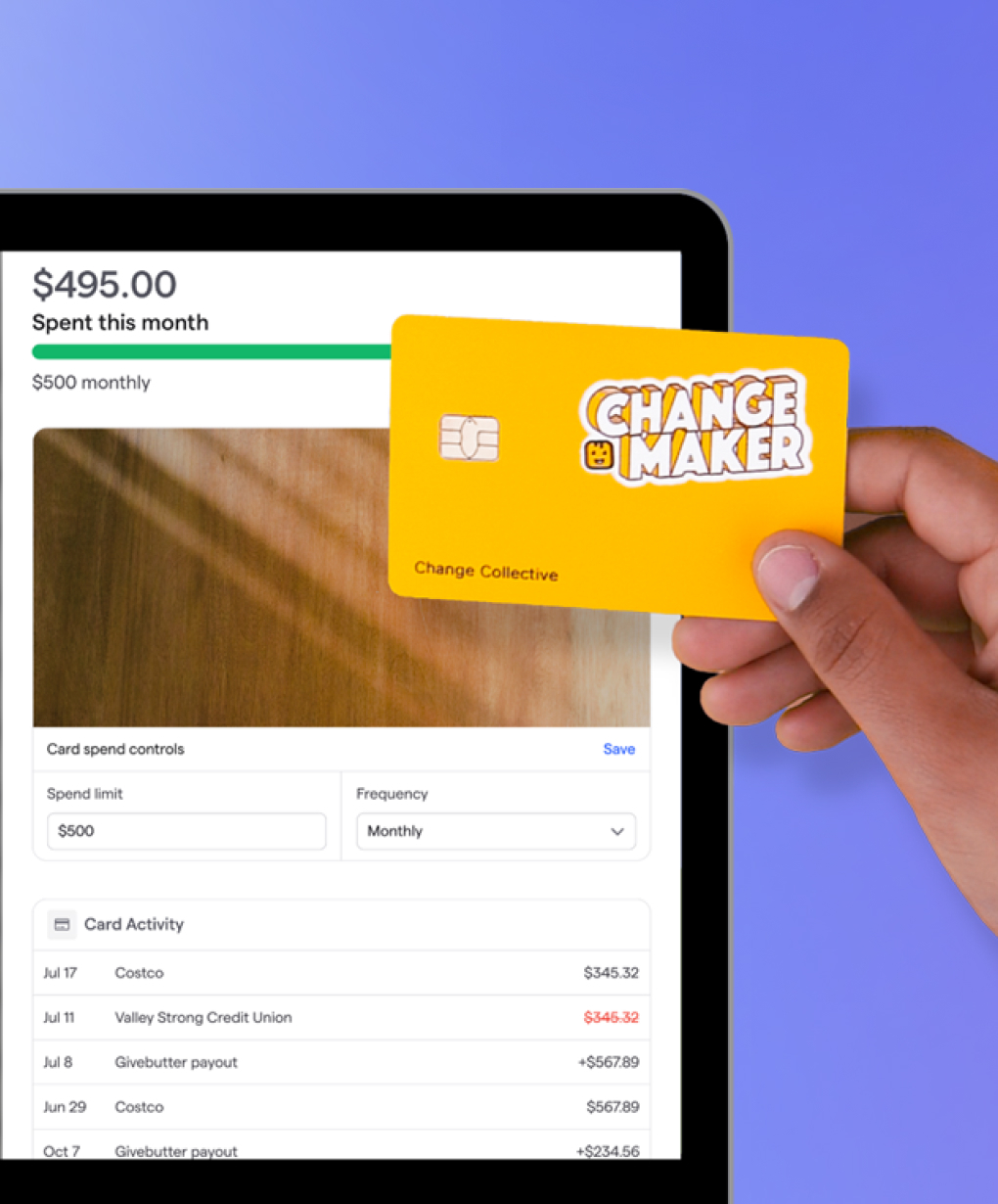








Donors get a lot of fundraising mail, and most of it blurs together. The annual appeal that stands out reads like a note from someone who knows them. That personal touch turns a once-a-year ask into a renewed relationship.
A strong annual appeal reminds supporters why they give, shows exactly what their next gift will do, and makes saying yes easy. Below, you’ll learn how to write an annual appeal letter in 5 steps, when to send it, and what 3 recent campaigns did well. You’ll also get free letter and email templates, so you never have to start from a blank page.
Key takeaways
- Segment and personalize 💬 Sort donors into segments like lapsed, first-time, recurring, and major donors, then tailor each message to what matters most to them.
- Set a clear goal 🎯 Program-tied goals like “help us serve 150 more families” show donors the direct link between their gift and real impact.
- Tell a compelling story 💛 Focus on one named beneficiary, use specific details, and make the donor the hero of the story.
- Focus on timing 🗓️ Fall suits most nonprofits because it lands before the Giving Tuesday and December rush, but spring or a milestone works too.
- Make it urgent and easy 🔥 Use action-driven language, tie suggested amounts to outcomes, set a deadline, and offer flexible options like PayPal and Venmo.
- Track and follow up 🧾 Keep track of your mailings to avoid duplicate outreach, then send prompt, personal thank-yous and a Q1 annual report showing how gifts were used.
- Power your appeal with Givebutter 💛 Segment donors in a nonprofit CRM, design emails for free, mail printed letters, and track results in one place.
What is an annual appeal?
Unlike a typical donation ask, an annual appeal is a focused, once-a-year fundraising campaign that asks supporters to renew their commitment to your mission. It can run any time of year, but many organizations send theirs in the fall (September–November), ahead of the Giving Tuesday and December rush.
An annual appeal letter for nonprofits usually goes out as a physical letter, an email, or both, depending on your audience, mission, and available resources.
In a Givebutter survey of more than 350 nonprofit professionals, 73% agreed that direct mail will shift from a generic fundraising channel to a more targeted and personalized one in 2026. That makes a personalized print letter, sent to the right segment, a strong partner for your email appeal.
👀 Did you know? While an annual appeal is often confused with an annual fund or a year-end appeal, they’re different. An annual fund is the overarching program that runs year-round, and your annual appeal is one of the asks that drives gifts into it. A year-end appeal is one type of annual appeal timed for November or December.

Download your free annual appeal letter & email templates
Get started on your next annual appeal with our ready-to-customize annual appeal letter templates.
Download three letter templates for lapsed, first-time, and recurring donors, plus an email version with subject line options and a P.S. swipe file. Personalize, segment, and send your annual appeal without starting from a blank page.

💡 Pro tip: Organizations using Givebutter can draft and send the email appeal directly from the platform. No separate email tool needed.
How to write an annual appeal letter that converts in 5 steps
Follow these annual appeal best practices to plan, write, and send a letter that converts readers into donors.
Step 1: Identify & segment your audience 🔎
Sort your donor base by giving history, total contributions, or custom filters to create a list of donor segments, such as:
- Donors who have given before but haven’t contributed this year
- Prospective or one-time donor
- Recurring donors
- Major donors
Once you’ve identified your segments, personalize your message for each group, highlighting what matters most to them and how their support makes an impact.
📌 Keep in mind: Segments are only the starting point. As Fundraising Consultant Mallory Erickson shares, “Beyond transactional segments, focus on behavior.”
⚒️ Tools needed: Givebutter’s free nonprofit CRM lets nonprofits create contact profiles, donor segments, and custom filters for more targeted annual appeals. With smart filters, you can describe the donors you want in plain language, like “gave last year but not this year,” and save them as a segment.
Step 2: Set a goal & share the why 🎯
Your annual appeal goal should be concrete and achievable. When crafting yours, ask yourself:
- What are we raising funds for?
- How much do we hope to raise?
- What impact will this make in real terms?
Last year’s results are a good starting point. With free AI connectors, you can ask ChatGPT or Claude what your last appeal raised, how many donors gave, and what the average gift was. Then, communicate your “why” clearly in your letter. Donors give when they understand the direct link between their gift and real-world impact.
💡 Pro tip: Program-tied goals (“help us serve 150 more families”) tend to outperform dollar-amount goals (“raise $15K”) because they give the donor a reason to care beyond the transaction.
⚒️ Tools needed: Givebutter’s free recommended goals suggest a data-informed target and stretch it automatically as your campaign gains momentum.
Step 3: Tell a story that resonates 📖
To move donors from interest to action, tell a story that connects them emotionally to your mission.
- Focus on one person, one story 🧍 One named beneficiary and their transformation, in their own words, is the best way to bring supporters into the heart of your cause.
- Evoke emotion 💛 Use specific details and outcomes to show donors the real impact of their gift, like “A $50 gift will help Sam sleep safely indoors tonight with a full meal and a warm blanket.”
- Create a narrative 📖 Frame your appeal around a challenge and a solution. Don’t forget to make the donor the hero of the story.
- Use design ✨ Strong annual appeal design reinforces your story, so include compelling visuals like photos, short videos, or infographics.
⚒️ Tools needed: Givebutter’s Canva integration lets you design branded letters, emails, and campaigns that make your story shine.
Step 4: Make the ask clear & easy 💪
Effective annual appeal letters inspire a desired action. To create a sense of urgency and motivate readers to give, your letter should:
- Use action-driven language like “Give today to help…” or “Your gift right now will…”
- Tie suggested donation amounts to tangible outcomes
- Ask returning donors to upgrade, with a suggested amount tied to their last gift
- Offer flexible giving options like PayPal, Venmo, Apple Pay, or Cash App
- Include clear links or QR codes that take donors straight to your donation form
- Restate your ask in the P.S. line
- Add a “give by [date]” deadline
📌 Keep in mind: Keep it simple. As Katelyn Baughan, nonprofit email consultant and founder of KB Digital, shared in Givebutter’s webinar on turning year-end emails into donations, “You have 90 seconds to get your message across.”
⚒️ Tools needed: Givebutter’s donation forms support PayPal, Venmo, Cash App, recurring gifts, and suggested amounts based on real giving trends.
Step 5: Streamline & track your outreach 🧾
Nonprofits are busy, especially when an annual appeal overlaps with year-end giving campaigns. By streamlining the process from start to finish, you can keep track of all your mailings and avoid duplicate outreach.
Use a multichannel approach to maximize visibility and create one consistent story across platforms. Map every touch on one calendar: a printed letter through Givebutter mailings, an email from the free drag-and-drop email editor three days later, and a text two days before the deadline. Then drop donors who’ve already given from later reminders.
Once your appeal wraps, Givebutter Plus’s ready-made Engage Momentum report shows how much each email, text, and mailing raised, so you know which channels to lean on next time.
⚒️ Tools needed: With Givebutter Plus, you can eliminate repetitive tasks and personalize communications at scale with nonprofit workflows.
When should you send your annual appeal?
For most nonprofits, September through November is the sweet spot for an annual appeal. It reaches donors before year-end giving peaks: according to M+R Benchmarks, 37% of nonprofits’ online revenue arrived in December 2025.
Here’s how the main timing options compare:
Whatever timing you choose, plan for donor stewardship after your appeal, including prompt, personal thank-yous and a Q1 annual report outlining how gifts were used. Reusing the segments you built for your appeal makes it easier to send thank-yous that mention each donor’s gift and what it made possible.
3 successful annual appeal examples
Here are three annual appeal examples from real nonprofits to help you get started on your own.
1. Montclair Makes Us 🎓
The Montclair Fund for Educational Excellence provides children access to excellent, integrated public schools. Its annual appeal emphasized budget challenges and the need for the community to rally around its cause. The campaign raised over $107K, surpassing its $95K goal.
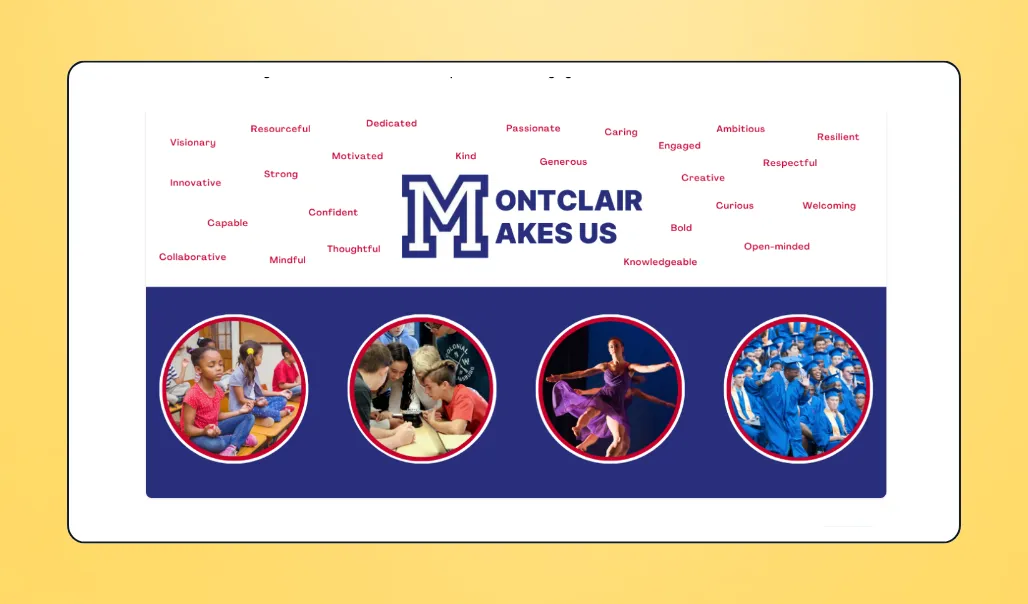
⭐ Standout feature: The fund asked donors to give a specific amount of $35 to celebrate 35 years of its mission, offering an accessible price point that takes the guesswork out of donating.
2. RISE Annual Giving Day ❤️🩹
RISE Academy focuses on habilitative programming in prisons and reentry support. To help fund its mission, its annual day of giving raised over $155K.
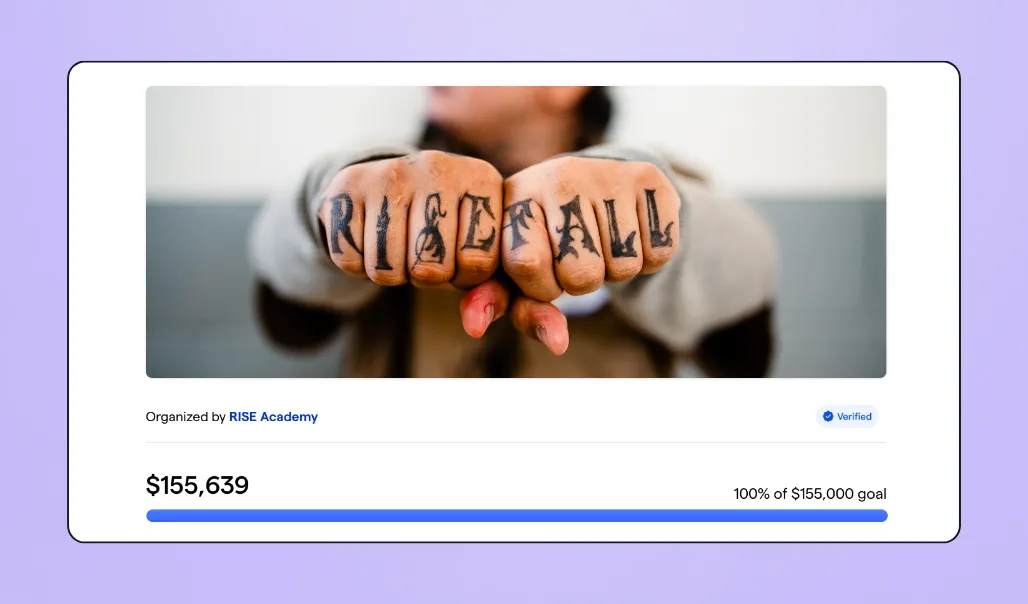
⭐ Standout feature: RISE Academy outlined, in detail, exactly how donor gifts help people in need, from creating career pathways to breaking generational incarceration.
3. St. Helena Montessori’s Annual Fund 🐣
St. Helena Montessori’s Annual Fund, which raised money to maintain its facility, support training and professional development, and offer tuition assistance, brought in over $110K.
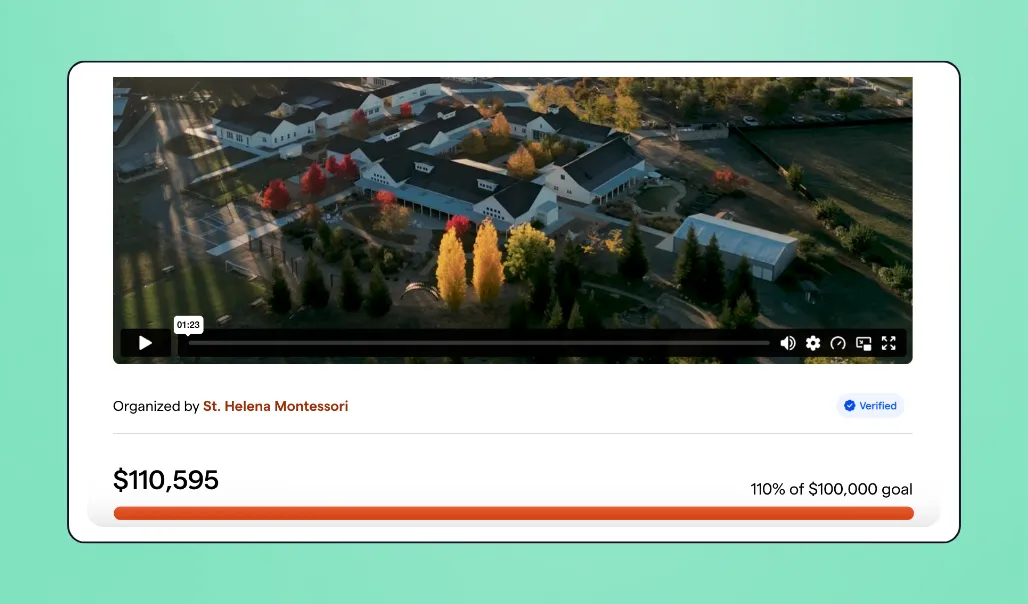
⭐ Standout feature: A $15K dollar-for-dollar match on gifts made Nov. 13–27 shows how a time-boxed match window can create urgency.
Annual appeal letters give voice to your mission
Your annual appeal is more than a letter. It’s your yearly chance to remind supporters why they give, reconnect them to your impact, and invite them into the year ahead.
The strongest appeals keep it simple: one real story, one clear goal, and one easy way to give. Before you send yours, read the first two sentences as a lapsed donor would. If they don’t make that donor feel missed and needed, rewrite your opener until they do.
With Givebutter’s free tools, you can segment donors, send branded letters and emails, thank supporters automatically, and track campaign results all in one place. Givebutter Plus adds email fundraising blocks like live goal bars and peer-to-peer leaderboards, automated workflows, discounted personalized direct mail, and ready-made reports that show how your appeal performed.

Run your whole annual appeal on Givebutter
Sign up for free and start your next annual appeal with Givebutter.
FAQs about annual appeals
What is an example of a good appeal letter?
A good annual appeal letter tells one specific story, ties the ask to a concrete outcome, and makes giving easy.
St. Helena Montessori, for instance, told its story through video, explained how funds would be used, and asked donors to give directly on its campaign page, helping the organization raise over $110K.
What is the purpose of an appeal letter?
An annual appeal renews the donor relationship and invites a specific gift in a focused campaign window. Most organizations send theirs in the fall, before the year-end rush, but an annual appeal can launch at any time of year.
Who should we send the annual appeal letter to?
Send your annual appeal to three groups: current donors (with an upgrade ask), lapsed donors (with a re-engagement message), and warm prospects (with a first-time ask).
Segment your donors so that the letter opener and your ask framing differ for each group.
What is the difference between an annual appeal and a year-end appeal?
An annual appeal is a campaign-based solicitation that can launch at any time of year. A year-end appeal is a specific type timed for November or December to capture end-of-year giving momentum.
How do you personalize an annual appeal letter at scale?
Use merge fields for name, last gift amount, and last gift date, and write a different opening paragraph for each donor segment (active, lapsed, first-time prospect). Givebutter’s free email editor supports merge tags, even in subject lines. Even minimal personalization (name plus one segment-specific sentence) can noticeably lift response rates.
Share this article